


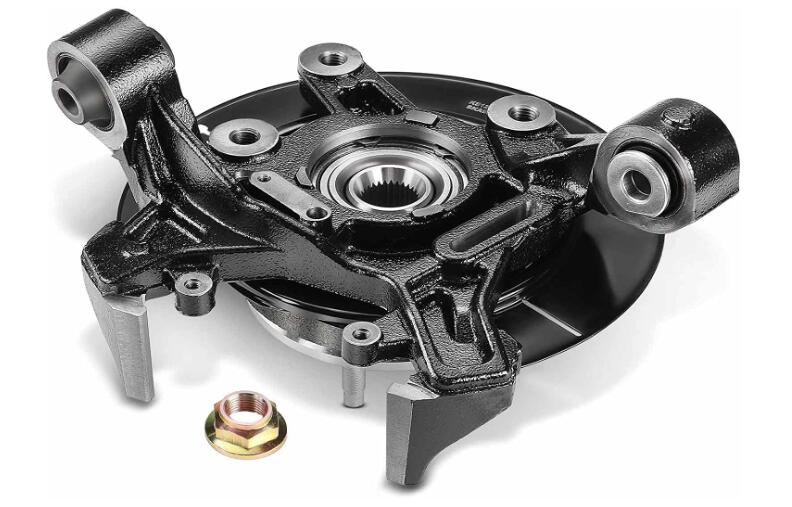
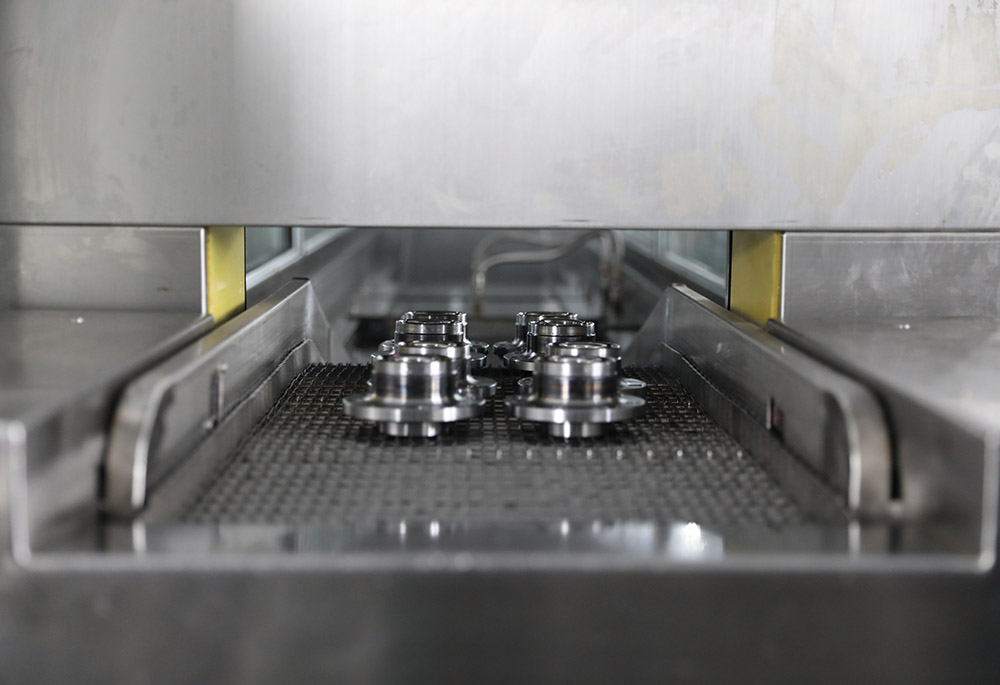
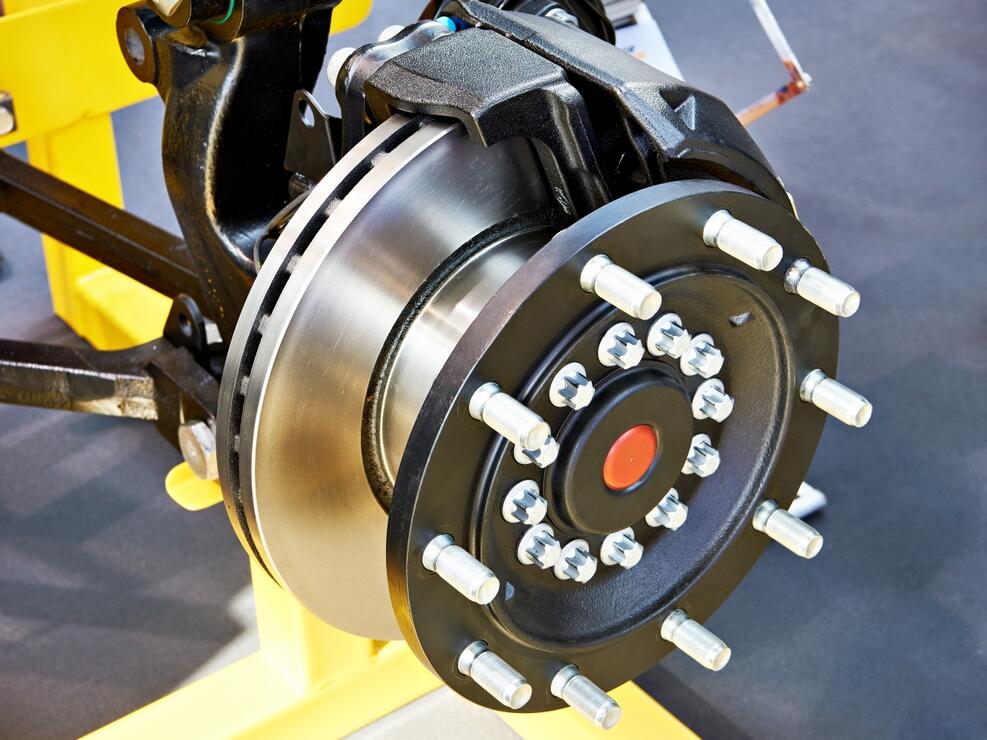
The wheel hub is a critical component of any vehicle. It provides a stable connection between the wheel and the axle, allowing for smooth and efficient vehicle operation. As such, the quality of wheel hub manufacturing is of the utmost importance to ensure safety, performance, and longevity. This article will discuss the role of quality control in wheel hub manufacturing and how it contributes to a vehicle’s overall performance and safety.

I. Importance of Quality Control in Wheel Hub Manufacturing
Quality control is a crucial aspect of the wheel hub manufacturing process. It encompasses a series of checks and balances designed to ensure that the final product meets the required specifications and performs optimally. Several factors contribute to the importance of quality control in wheel hub manufacturing:
- Safety: Wheel hubs play a pivotal role in maintaining the stability and integrity of a vehicle. A poorly manufactured hub can cause accidents or catastrophic failure, leading to severe injury or fatalities. Quality control ensures that wheel hubs are manufactured according to industry standards, reducing the risk of accidents.
- Performance: A well-manufactured wheel hub contributes to a vehicle’s overall performance, including handling, acceleration, and braking. Quality control processes ensure that wheel hubs are produced with the right materials, dimensions, and tolerances, resulting in optimal performance.
- Durability: Wheel hubs are subjected to significant stress, wear, and tear during a vehicle’s lifetime. A high-quality wheel hub ensures the component can withstand these forces and provide long-lasting, reliable performance. Quality control measures, such as material testing and inspection, ensure wheel hubs have the necessary durability.
- Cost-effectiveness: By maintaining strict quality control measures, wheel hub manufacturers can reduce the number of defective products and associated costs, such as warranty claims and product recalls. This, in turn, results in more cost-effective production and increased customer satisfaction.

II. Key Quality Control Processes in Wheel Hub Manufacturing
To ensure the quality and reliability of wheel hubs, manufacturers implement several quality control processes at different stages of production. Some of the key quality control processes include:
- Material Selection and Testing: The first step in ensuring wheel hub quality is selecting the right materials. Wheel hubs are typically cast iron, forged steel, or aluminum. Each material has specific properties that make it suitable for different applications. Material testing, such as hardness, tensile strength, and impact testing, helps manufacturers confirm that the chosen material meets the required specifications.
- Dimensional and Geometric Inspection: Dimensional and geometric inspections are essential for verifying that wheel hubs meet the necessary tolerances and specifications. This is typically done using various inspection tools, such as coordinate measuring machines (CMM), calipers, and micrometers. These inspections ensure that wheel hubs are produced to precise dimensions, reducing the risk of poor fitment and performance issues.
- Surface Finish Inspection: The surface finish of a wheel hub can significantly impact its performance and durability. An uneven or rough surface can cause excessive wear and tear on other components, such as bearings and seals. Using tools like profilometers or visual inspection, surface finish inspection helps manufacturers ensure that the wheel hub’s surface meets the required smoothness and consistency.
- Non-Destructive Testing (NDT): NDT methods, such as ultrasonic testing, magnetic particle inspection, or radiographic testing, detect internal defects, such as cracks, voids, or inclusions, that could compromise the wheel hub’s integrity. These methods allow manufacturers to identify and rectify issues before the wheel hub is assembled and installed on a vehicle.
- Process Control and Monitoring: Quality control in wheel hub manufacturing involves continuous process control and monitoring. Manufacturers may use statistical process control (SPC) techniques, real-time data collection, and analysis to identify trends and potential issues in the production process. Manufacturers can maintain consistent quality by closely monitoring production parameters and quickly addressing deviations from the established standards.
- Assembly and Final Inspection: After the wheel hub components are manufactured, they undergo assembly and final inspection. This process involves checking the assembled wheel hub for proper fit, alignment, and function. Any discrepancies or defects identified during the final inspection are addressed before the wheel hub is approved for shipment.
- Quality Audits and Continuous Improvement: Regular quality audits, both internal and external, help manufacturers ensure that their quality control processes remain effective and up-to-date. These audits assess the efficiency of the quality control systems, identify areas for improvement, and ensure compliance with industry standards and regulations. Through continuous improvement initiatives, manufacturers can refine their quality control processes and maintain the highest levels of product quality.

III. Industry Standards and Certifications
Several industry standards and certifications govern wheel hub manufacturing and quality control. Some of the most important include:
- International Organization for Standardization (ISO): ISO develops and publishes a range of international standards, including those related to automotive components. ISO/TS 16949, for example, specifies the quality management system requirements for the design, development, production, and servicing of automotive-related products, including wheel hubs.
- American Bearing Manufacturers Association (ABMA): ABMA establishes standards and specifications for bearing products, including those used in wheel hub assemblies. Adherence to ABMA standards ensures that wheel hub components are produced to high-quality standards and are compatible with other bearing products.
- SAE International: SAE International is a global association of engineers and technical experts in the aerospace, automotive, and commercial vehicle industries. SAE develops and publishes various standards, recommended practices, and technical papers on designing, manufacturing, and testing automotive components, including wheel hubs.
Compliance with these industry standards and certifications demonstrates a manufacturer’s commitment to quality control and helps build trust with customers and suppliers.

IV. Testing Equipment in Wheel Hub Manufacturing
Manufacturers utilize various testing equipment throughout the process to ensure that wheel hubs meet stringent quality standards and requirements. These specialized instruments help to measure various parameters, such as dimensions, surface finish, and strength, as well as assess the durability and longevity of the final product. Some of the essential testing equipment used in wheel hub manufacturing include:
- Roundness Measuring Instrument: This device measures the roundness and concentricity of wheel hubs. It helps ensure that the manufactured hubs have a consistent shape, which is crucial for proper fitment and smooth operation of the vehicle.
- Profilometer: A profilometer is used to measure the surface profile of a wheel hub. It helps manufacturers determine whether the hub’s surface finish meets the required specifications, ensuring reduced friction and wear on mating components, such as bearings and seals.
- Roughness Meter: Similar to a profilometer, a roughness meter measures the surface roughness of the wheel hub. Manufacturers can address these issues by identifying unevenness or excessive roughness to ensure a longer lifespan for the hub and related components.
- Precision Altimeter: This instrument accurately measures the height or thickness of wheel hub components. Ensuring that all components meet the specified dimensions and tolerances is crucial, contributing to optimal fit and performance.
- Length Measuring Device: A length-measuring device is used to verify the dimensions of wheel hub components, such as the overall length, width, and diameter. Accurate measurements are essential for maintaining tight tolerances and ensuring proper fitment.
- Angle Measuring Tool: This tool measures the angles of various features on a wheel hub, such as mounting holes, flanges, or splines. Accurate angle measurements are essential for proper alignment and engagement of the wheel hub with other components, such as the axle or brake rotor.
- Residual Magnetometer: A residual magnetometer measures the residual magnetism in wheel hubs, which can adversely affect the performance of the ABS sensor. By monitoring and controlling residual magnetism, manufacturers can ensure the proper functioning of the ABS.
- ABS Sensor Testing: ABS sensor testing equipment is used to verify the proper function and output of the ABS sensor integrated into the wheel hub assembly. This testing helps ensure that the vehicle’s anti-lock braking system operates as intended, contributing to overall safety.
- Bolts Tensile Strength Testing: This test measures the tensile strength of wheel hub mounting bolts, ensuring they can withstand the forces exerted on them during vehicle operation. Adequate bolt strength is crucial for maintaining the integrity and stability of the wheel hub assembly.
- Wheel Hub Life Testing: This testing simulates the stresses and conditions a wheel hub experiences during its lifespan. By subjecting the hub to various loads, speeds, and temperatures, manufacturers can assess its durability and make any necessary adjustments to improve its performance and longevity.
- Clay Water Endurance Testing: This test evaluates the wheel hub’s resistance to water ingress, particularly in environments with high levels of clay or mud. Ensuring the hub’s resistance to water ingress helps protect internal components, such as bearings and seals, from premature wear or failure.
- Salty Spray Testing: Salty spray testing is used to assess the corrosion resistance of wheel hubs, especially those made from materials susceptible to corrosion, such as cast iron or steel. By exposing the hub to a saline solution, manufacturers can evaluate its ability to withstand corrosive environments and make necessary modifications to improve its resistance.

Using these testing instruments and techniques is vital for maintaining the high-quality standards required in wheel hub manufacturing. By employing rigorous testing procedures, manufacturers can ensure that their wheel hubs are safe, durable, and optimal under various conditions. Integrating these testing methods throughout the manufacturing process also allows for continuous improvement and refinement of the product and the manufacturing techniques. Ultimately, this testing equipment and procedures help wheel hub manufacturers deliver a reliable, high-quality product that meets the automotive industry’s needs and contributes to a vehicle’s overall safety and performance.